Buying Property in Japan as a Foreigner: A Complete Guide
Can Foreigners Buy Property in Japan?
Japan is one of the few countries in Asia that places no restrictions on foreign property ownership. Whether you hold a Japanese visa, permanent residency, or have never set foot in the country, you can legally purchase land and buildings in your own name. There is no requirement for citizenship, residency, or even a local address at the time of purchase. This openness has made Japan an increasingly attractive market for international investors and individuals looking for a second home.
Unlike countries such as Thailand, where foreigners cannot own land outright, or Australia, which requires Foreign Investment Review Board approval, Japan treats foreign buyers the same as domestic ones under the law. The only recent change is a 2022 regulation requiring disclosure when purchasing property near military installations, but this affects very few transactions in practice.
Types of Property Available
Mansion (Condominium Units)
The most common entry point for foreign buyers is the mansion, which in Japanese real estate terminology refers to a condominium unit within a larger building. Mansions range from compact one-room apartments in central Tokyo to spacious family units in suburban areas. Owners share common facilities and pay monthly management fees and repair reserve funds. Older mansions built before 1981 may not meet current earthquake resistance standards, so the construction year is a critical factor.
Ikkodate (Detached Houses)
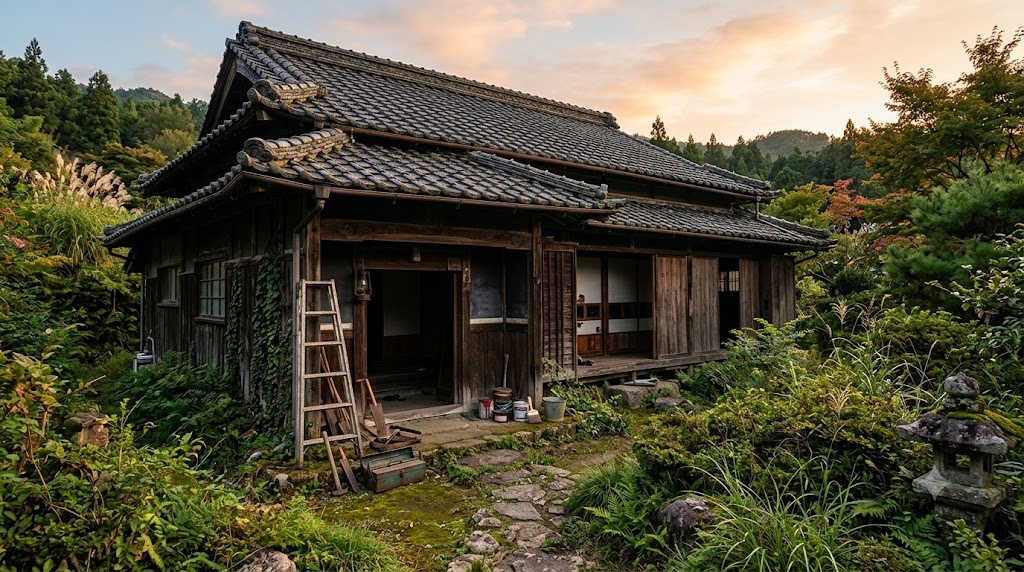
An ikkodate is a standalone house, typically on its own plot of land. These are prevalent in suburban and rural areas and offer more space and privacy than mansions. When purchasing an ikkodate, you acquire both the building and the land beneath it. Many older ikkodate are wooden structures with limited insulation, so renovation costs should be factored into your budget.
Land Only
Purchasing vacant land is straightforward in Japan. Investors sometimes buy land to build custom homes or hold as a long-term asset. Zoning regulations vary significantly by municipality, so confirming what can be built on a given parcel is essential before committing.
The Buying Process Step by Step
1. Property Search
Most buyers begin with online portals such as Suumo, Homes.co.jp, or at-home.co.jp. Working with a licensed real estate agent who speaks your language can save significant time and reduce misunderstandings. Agents in Japan are regulated under the Real Estate Transactions Act and must hold a takken license.
2. Making an Offer
Once you identify a property, your agent submits a purchase application on your behalf. In Japan, this is not legally binding but signals serious intent. The seller may accept, reject, or negotiate on price and terms.
3. Important Matters Explanation
Before signing any contract, the seller's agent is legally required to provide a juyou jiko setsumei, a detailed explanation of important matters regarding the property. This document covers zoning, building restrictions, infrastructure, known defects, and legal encumbrances. Having this document translated and reviewed is essential for foreign buyers.
4. Sales Contract
The formal sales contract is signed by both parties, and the buyer pays an earnest money deposit, typically five to ten percent of the purchase price. Withdrawing after this point means forfeiting the deposit.
5. Settlement and Registration
On the settlement date, the remaining balance is paid, and a judicial scrivener handles the transfer of ownership registration at the Legal Affairs Bureau. The entire process from offer to registration typically takes four to eight weeks.
Costs Beyond the Purchase Price
- Registration and license tax: Approximately 1.5 to 2 percent of the assessed property value.
- Real estate agent fee: Up to 3 percent of the sale price plus 60,000 yen, plus consumption tax.
- Stamp duty: Between 10,000 and 60,000 yen depending on the transaction amount.
- Judicial scrivener fee: Typically 100,000 to 200,000 yen for handling registration paperwork.
- Fixed asset tax: An annual tax based on the government-assessed value of land and buildings, usually well below market price.
- Fire and earthquake insurance: Strongly recommended and sometimes required by lenders.
In total, expect closing costs of roughly six to eight percent on top of the purchase price.
Financing Options
Obtaining a mortgage in Japan as a non-resident is difficult but not impossible. A few banks, including Shinsei Bank, SMBC Prestia, and some regional institutions, offer loans to foreigners with permanent residency or a spouse visa. Non-residents typically need to make a larger down payment, sometimes fifty percent or more. Interest rates in Japan remain among the lowest in the developed world, with variable rates often below one percent.
Many foreign investors choose to purchase with cash, particularly for lower-priced properties outside major cities. For those financing from overseas, currency exchange timing and transfer fees can significantly affect the total cost.
Common Pitfalls to Avoid
- Skipping the building inspection: Japan does not require a mandatory inspection for used properties. Hiring an independent inspector can reveal structural issues that save you millions of yen.
- Ignoring ongoing costs: Monthly management fees for mansions can be substantial, especially in older buildings with deferred maintenance.
- Underestimating renovation: Older Japanese homes often need significant work to meet modern comfort standards, including insulation, plumbing, and earthquake retrofitting.
- Not understanding leasehold land: Some properties sit on leased land rather than freehold. This arrangement is common and legal but affects resale value and requires ongoing lease payments.
- Tax reporting obligations: Foreign owners must file Japanese tax returns on rental income and capital gains. Failing to do so can result in penalties.
Getting Started with Confidence
Japan's transparent legal system and lack of foreign ownership restrictions make it one of the most accessible real estate markets in the world. The key to a successful purchase is thorough preparation: understand the costs, work with licensed professionals, and never skip due diligence. For those exploring Japanese property investments, tools like Sumika can streamline the due diligence process by providing AI-powered analysis of property data, helping you make informed decisions before committing to a purchase.