Kumano Kodo vs Camino de Santiago: Which Pilgrimage Route Is Right for You?
Two Ancient Paths, One Dual Pilgrim Tradition
The Kumano Kodo in Japan and the Camino de Santiago in Spain are the only two pilgrimage routes in the world jointly recognized as UNESCO World Heritage Sites. Together, they form the basis of the Dual Pilgrim credential, awarded to those who complete both trails. While they share a common thread of centuries-old spiritual walking, the two journeys differ dramatically in length, landscape, culture, and daily experience. This guide lays them side by side so you can decide which to tackle first, or how to plan for both.
Distance and Duration
The Camino de Santiago, specifically the most popular Camino Frances route, covers approximately 790 kilometers from Saint-Jean-Pied-de-Port in France to Santiago de Compostela in Spain. Most pilgrims walk it in 30 to 35 days at a pace of 20 to 25 kilometers per day.
The Kumano Kodo is not a single trail but a network of routes converging on the three Grand Shrines of Kumano in the Kii Peninsula. The most walked route, the Nakahechi, runs about 70 kilometers over four to five days. The longer Kohechi mountain route adds another three to four days, and combining multiple routes can extend the journey to two weeks. For most visitors, a focused five- to seven-day itinerary covers the essential highlights.
Physical Difficulty
The Camino Frances is a long but generally moderate walk. The most challenging days are the Pyrenees crossing on day one and several climbs through Leon and Galicia. The Meseta tests endurance through monotony and heat. Cumulative fatigue over five weeks is the real challenge.
The Kumano Kodo packs steeper terrain into fewer days. The Nakahechi route includes relentless stone-step climbs through dense forest, with some passes exceeding 800 meters. Daily distances are shorter, but the vertical gain per day often surpasses what you encounter on the Camino. Wet conditions add slippery footing on moss-covered stone paths.
Cultural Experience
Walking the Camino immerses you in Spanish culture. You pass through villages with Romanesque churches, eat regional dishes from Basque pintxos to Galician pulpo, and share wine with pilgrims from dozens of countries. Communal albergues and shared meals create bonds quickly.
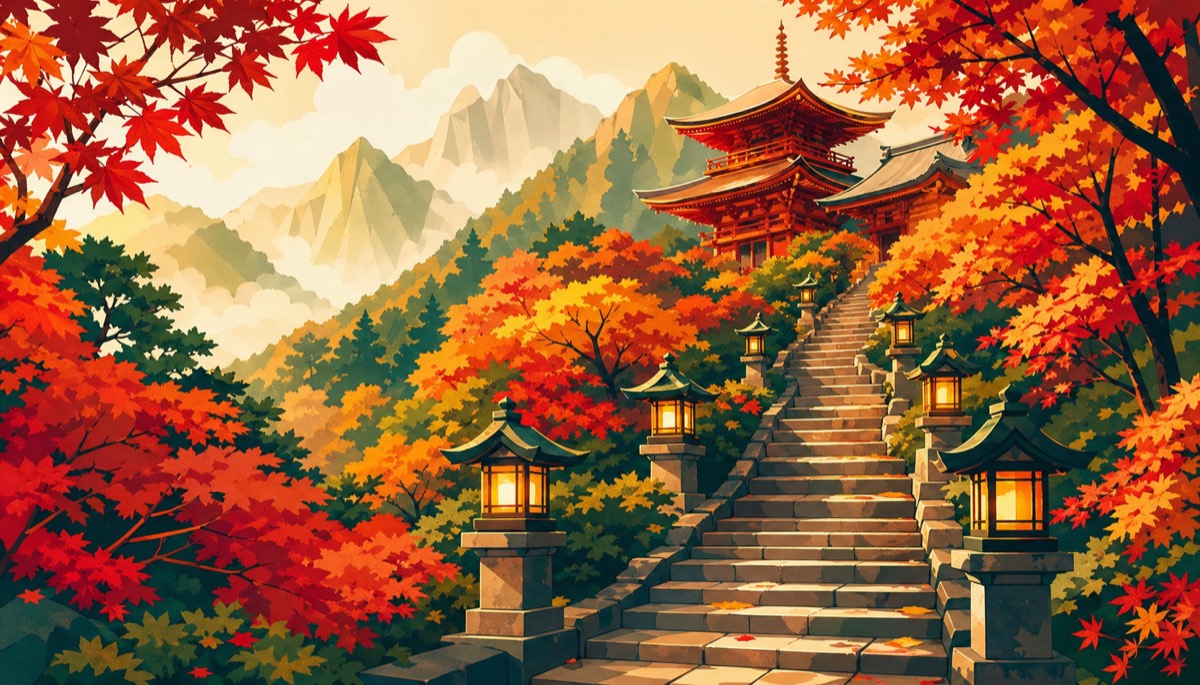
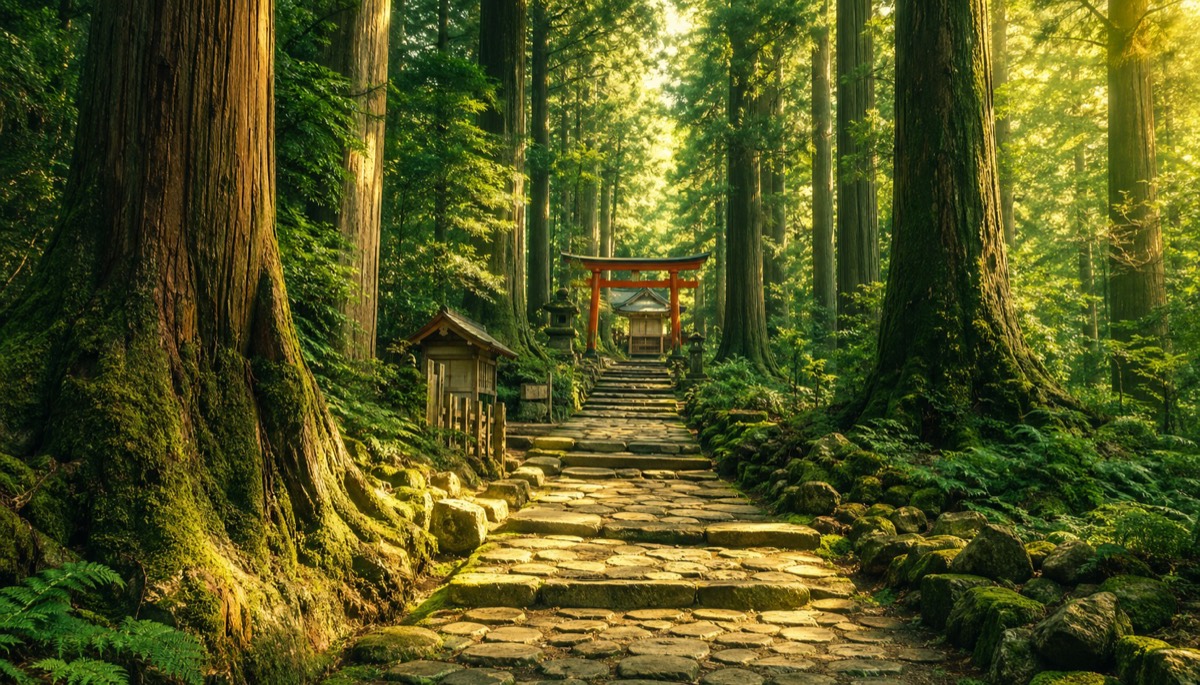
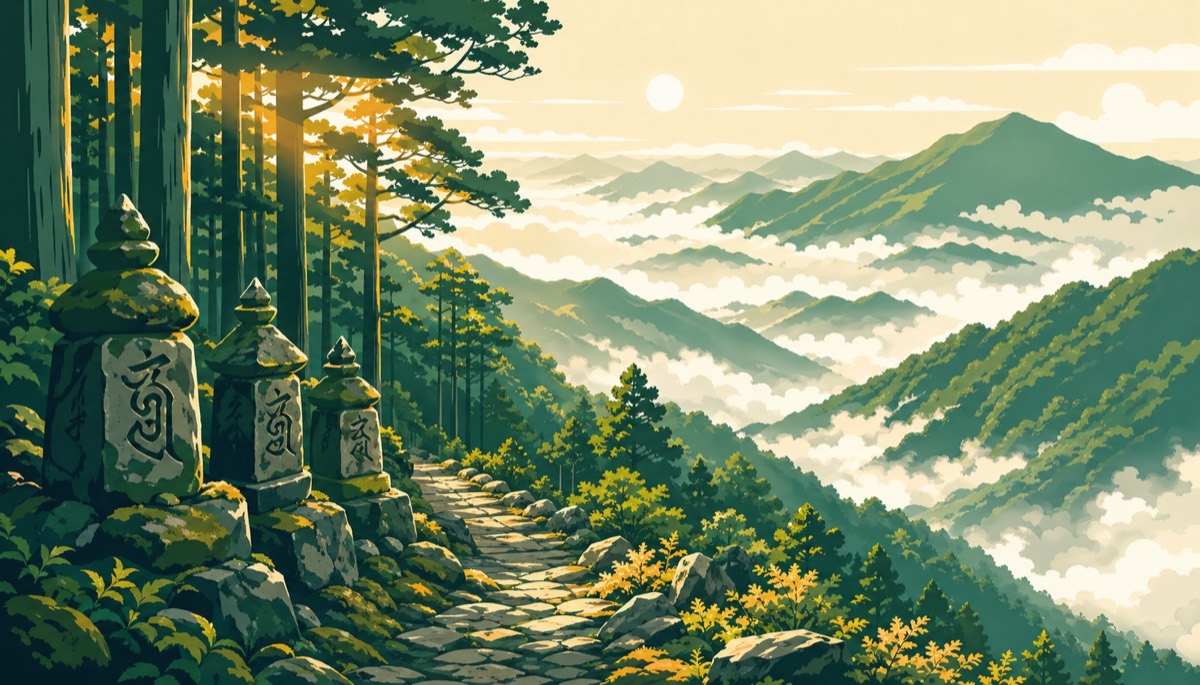
The Kumano Kodo offers a quieter, more introspective experience rooted in Shinto and Buddhist traditions. You walk through ancient cedar forests, past stone torii gates, and along trails marked with weathered jizo statues. Accommodation is often in traditional ryokan, where you sleep on tatami mats, soak in onsen hot springs, and eat multi-course kaiseki meals.
Accommodation
On the Camino, pilgrim albergues are the backbone of accommodation. Municipal albergues cost 5 to 12 euros per night for a bunk in a shared dormitory. Private albergues and hostels range from 15 to 30 euros. Hotels and casas rurales are available for those who prefer private rooms, typically 40 to 80 euros per night.
Kumano Kodo accommodation centers on guesthouses and ryokan. Expect to pay 8,000 to 15,000 yen per person per night, which usually includes dinner and breakfast. The quality of meals and the experience of staying in a traditional Japanese inn elevate the accommodation from a necessity to a highlight. Camping is not common or well-supported along the Kumano Kodo.
Spiritual Character
The Camino's spiritual identity is Catholic, centered on the tradition that the remains of the Apostle St. James lie in the Santiago cathedral. Pilgrim masses, wayside crosses, and centuries of Christian devotion mark the landscape. However, the modern Camino welcomes all motivations, and many walkers describe their journey in secular terms of self-discovery and endurance.
The Kumano Kodo's spirituality blends Shinto nature worship with Esoteric Buddhism. The three Grand Shrines of Kumano represent rebirth, healing, and the afterlife. Walking through towering forests to reach these remote shrines evokes a powerful sense of nature as sacred space. The Japanese concept of shinrin-yoku (forest bathing) captures much of the Kumano Kodo's contemplative atmosphere.
Cost Comparison
A five-week Camino Frances costs between 1,500 and 3,500 euros depending on accommodation choices and spending habits. Budget pilgrims staying in municipal albergues and cooking some meals can manage the lower end.
A five-day Kumano Kodo Nakahechi trek costs roughly 60,000 to 100,000 yen (approximately 400 to 650 euros) for accommodation, meals, and local transport. Japan's higher daily costs are offset by the much shorter duration, making the total trip expense comparable when you factor in international flights.
When to Go
The Camino's peak season runs from May through September, with the shoulder months of May, June, and September offering the best balance of weather and crowd levels. The Kumano Kodo is best walked in spring (March to May) or autumn (October to November), when mild temperatures and seasonal foliage enhance the forest trails. Summer heat and humidity make the steep climbs exhausting, and winter brings cold rain and occasional snow at higher elevations.
Which Should You Walk First?
If you have five weeks and want an epic, social, long-distance journey, start with the Camino. If you have one week and want an intense, culturally immersive forest pilgrimage, start with the Kumano Kodo. Many walkers find that completing one trail ignites the desire to walk the other and earn the Dual Pilgrim credential that links these two UNESCO heritage paths.
Whichever you choose, planning ahead makes the experience smoother. Sacred Trails was built specifically for pilgrimage travelers, helping you explore both the Kumano Kodo and the Camino de Santiago, compare routes, and organize your journey from the first idea to the final stamp.